

Asphalt pavement has become so universal primarily because it is extremely durable, highly cost effective, straightforward to install, and consistently strong. Used for parking lots and roadways the world over, asphalt can last for a long time, provided its given careful maintenance. When it comes to repairing serious asphalt damage one of the most effective methods is infrared repairs.
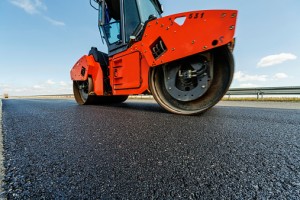
What is Infrared Asphalt Repair?
Infrared asphalt repair uses a combination of asphalt technologies to make fast repairs to severely damaged pavement. Infrared asphalt repair uses hot asphalt and extreme pressure to perfectly mix the new asphalt with the old. If you start spotting potholes or pavement cracking, infrared asphalt repair may be the solution.
How does it work?
First, the area in need of repair will have all its debris, loose aggregate, and water removed. Then infrared machinery will heat it to 325 degrees Fahrenheit for somewhere between 5 and 10 minutes (depending on how deep the area is and the level of asphalt integrity). After heating, the machinery will rake the area to eliminate failing aggregate before injecting specially formulated oils to bolster the strength of the existing asphalt. New hot asphalt will be poured in before a several-ton roller-compactor presses it flat.
Infrared Benefits
Infrared asphalt repair is popular largely due to its effectiveness at deep, subsurface repairs that maximize the reuse of old asphalt and minimize waste without causing asphalt/ aggregate separation or burning. Infrared asphalt repair is also incredibly affordable, using less raw material than traditional repair methods. The speed and thoroughness of the process minimizes both traffic interruptions and water penetration.
Interested in Infrared Asphalt repair?
Call Tristate Paving. Our experienced paving professionals have plenty of experience with, and access to, infrared asphalt repair equipment, and can take care of your asphalt installation or repair needs quickly, and at an affordable price. At Tristate Paving we take great pride in our customer service and we’ll be more than happy to sit down and figure out what asphalt repair option works best for you.
Our area numbers are:
West Chester: 610.563.9456
Oxford: 610.932.3566
Delaware: 302.757.4100
Check back here for weekly updates on current projects, important paving facts and info, and smart ideas for homeowners interested in concrete, asphalt or hardscaping work.
 ASPHALT
 Commercial
 Residential
 Industrial
 Decorative
 Sealcoating
 Infrared Repairs
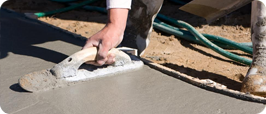 CONCRETE
 Flat Work
 Decorative
 Curbs/Gutters
 Steps
Steps
 Slab Jacking
 Pump Trucks / Pump Trailers
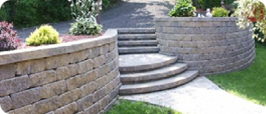 HARDSCAPES
 Walls / Borders / Curbs
 Walks / Patios
 Aprons
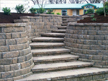 Steps
Steps
 Columns / Fire Pits
 Outdoor Kitchens