

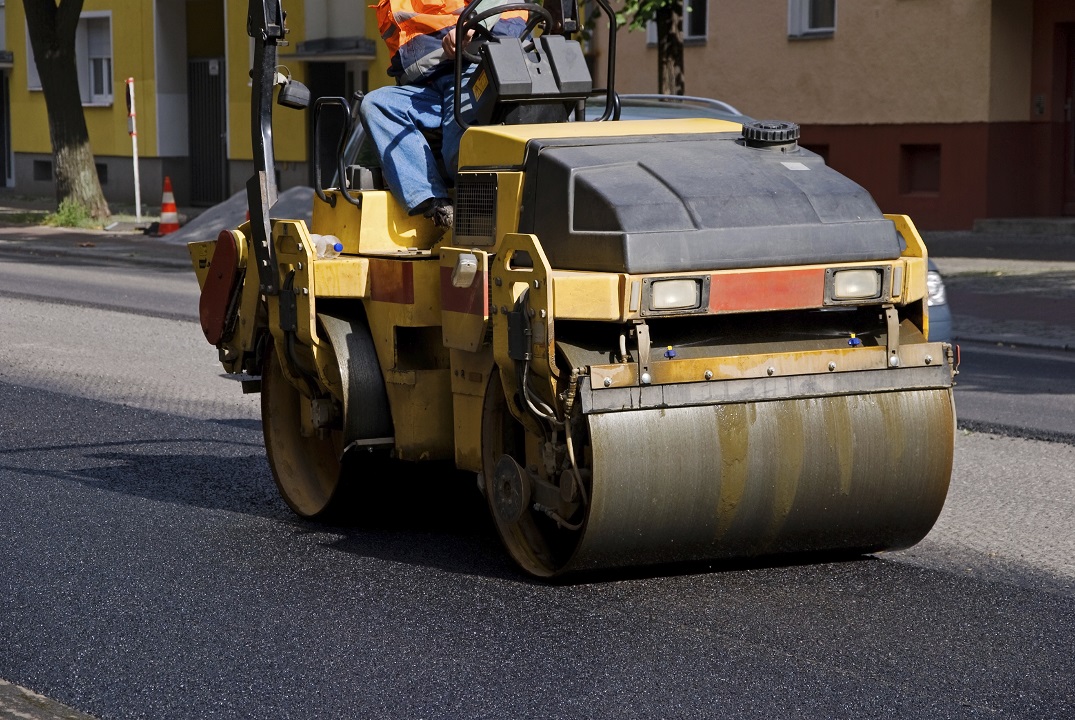
Don’t miss out on what asphalt work can be done this winter!
When temperatures drop, many homeowners begin wondering: “Can you pave asphalt in winter?” The short answer is yes—but only under the right conditions. While winter isn’t the ideal season for installing new pavement, it is possible to complete certain projects safely and successfully when the weather cooperates.
When Is the Best Time to Pave Asphalt?
The best season for asphalt installation is spring through early fall, when temperatures are warmer, and the ground has fully thawed. Paving in these conditions allows contractors to properly compact hot mix asphalt so it cures correctly and achieves maximum lifespan.
However, mild winter days or late fall temperatures may still allow for paving—as long as the ground remains unfrozen and the forecast stays dry. If you’re unsure whether the timing is right, a professional assessment can help determine whether conditions meet safe installation standards.
Why Winter Paving Requires Special Consideration
What works in July doesn’t always translate after the first frost. Asphalt cools quickly, and cold ground can interfere with the compaction that gives pavement its strength. When trying to pave asphalt in winter, even a short shift in weather can affect the outcome, making it essential to work with a contractor experienced in cold-weather paving.
Below are the key factors to consider.
Don’t Pave on Frozen Ground
If asphalt is placed onfrozen or partially frozen ground, the base cannot support the new pavement. Even though hot mix asphalt is applied at a high temperature, it will cool too quickly when it hits frozen soil. This leads to weak compaction, premature cracking, surface failure, and potholes once the ground thaws.
Frozen air temperatures don’t automatically ruin asphalt, but frozen ground absolutely does. Reputable contractors will never pave when the soil is frozen, even if the weather appears clear.
Wait for Dry Weather Conditions
Moisture is another major concern. To pave asphalt in winter successfully, the environment must be completely dry. That means:
- No rain or snow during installation
- No lingering moisture on the surface
- No paving immediately after precipitation
Water interferes with the flow of hot mix asphalt, preventing proper compaction. Poor compaction shortens the pavement’s lifespan and can lead to premature surface issues.
If your contractor recommends waiting a few days after a storm, trust the process—it’s essential for long-term performance.
Work Quickly and Efficiently
The weather can change rapidly in colder seasons, which makes speed and preparation crucial. Experienced cold-weather paving contractors know how to:
- Deliver asphalt quickly before it cools
- Compact the mix efficiently
- Coordinate crew and equipment on short notice
- Adapt to sudden temperature swings
Because winter provides a much shorter working window, choosing a company familiar with seasonal challenges is key to ensuring your project’s success.
Should You Wait Until Spring?
In many cases, yes. Spring is the safest, most reliable time to schedule a paving project. Once the snow melts and the ground fully thaws, your contractor can guarantee better results with fewer weather-related delays.
However, if your project is time-sensitive and conditions stay mild, it may still be possible to pave asphalt in winter. A professional evaluation will help determine whether your timing is feasible.
Final Thoughts: Winter Paving Is Possible—But Not Always Practical
If you’re asking, “Can you pave asphalt in winter?” the answer depends on three main conditions:
- The ground must not be frozen
- The weather must be completely dry
- The contractor must be able to work quickly and efficiently
When these factors align, winter paving can be done successfully. When they don’t, it’s almost always better to wait for warmer weather.
If you’re planning an asphalt project and want to understand your options, reach out to a qualified paving contractor at Tri-State Paving who can evaluate your site and give you a clear timeline based on the season.
Whether you move forward now or decide to wait until spring, understanding how cold weather affects pavement ensures your investment lasts for years to come.
Receive Asphalt Paving Services with Tri-State Paving
Call Tri-State Paving. We’re a seasoned asphalt pavement company based in Maryland and have the experience and knowledge to help you with asphalt, concrete, and hardscaping projects.
We refuse to sell hot air to our customers, and that’s why we have been around for over four decades. We listen, inform, educate, and then decide what is best for our customers project and budget. If any problems arise during construction we keep our customers updated and respond to make the imperfect perfect.
Our area numbers are:
West Chester: 610.563.9456
Oxford: 610.932.3566
Delaware: 302.757.4100
Check back here for weekly updates on current projects, important paving facts and info, and smart ideas for homeowners interested in concrete, asphalt, or hardscaping work.
Tags: asphalt paving, asphalt paving temperature, winter asphalt service
 ASPHALT
 Commercial
 Residential
 Industrial
 Decorative
 Sealcoating
 Infrared Repairs
 CONCRETE
 Flat Work
 Decorative
 Curbs/Gutters
 Steps
Steps
 Slab Jacking
 Pump Trucks / Pump Trailers
 HARDSCAPES
 Walls / Borders / Curbs
 Walks / Patios
 Aprons
 Steps
Steps
 Columns / Fire Pits
 Outdoor Kitchens